

In a world where wealth and possessions are often passed down through generations, the age-old question of whether trust is better than inheritance remains a topic of hot debate. As families grapple with the complexities of wealth management and intergenerational relationships, it begs the question: is trust truly the key to preserving and growing family assets, or is inheritance still the most reliable way to ensure financial security for future generations? Let’s delve into the nuances of this age-old dilemma and uncover the truths that lie beneath the surface.
Exploring the Benefits of Trusts Over Inheritance
Trusts offer several advantages over traditional inheritance methods, providing a secure and flexible way to ensure your assets are managed and distributed according to your wishes. One key benefit of trusts is their ability to bypass probate, a lengthy and costly legal process that can tie up assets for months or even years. By placing your assets in a trust, you can avoid probate and ensure a quicker and smoother transfer of wealth to your beneficiaries.
Additionally, trusts offer a level of privacy that inheritance does not. When assets pass through a will, the details of the estate become a matter of public record. However, trusts allow for a more discreet transfer of assets, keeping your financial affairs confidential. Trusts also offer greater control over how and when assets are distributed, allowing you to include specific conditions and instructions for their management and use. This level of control can help protect your beneficiaries from mismanagement or squandering of assets.

Maximizing Control and Flexibility with Trusts
When it comes to estate planning, many individuals are turning to trusts as a way to maximize control and flexibility over their assets. Unlike traditional inheritance, trusts allow for specific instructions to be laid out on how and when assets should be distributed to beneficiaries. This can help ensure that your hard-earned assets are protected and utilized in the way you see fit.
One of the key advantages of trusts is the ability to avoid probate, which can be a lengthy and costly process. Trusts also offer privacy, as they do not become public record like wills do. Additionally, trusts can provide protection from creditors and divorce settlements, ensuring that your assets remain within your family. By setting up a trust, you can rest assured that your legacy will be managed according to your wishes, providing peace of mind for you and your loved ones for generations to come.
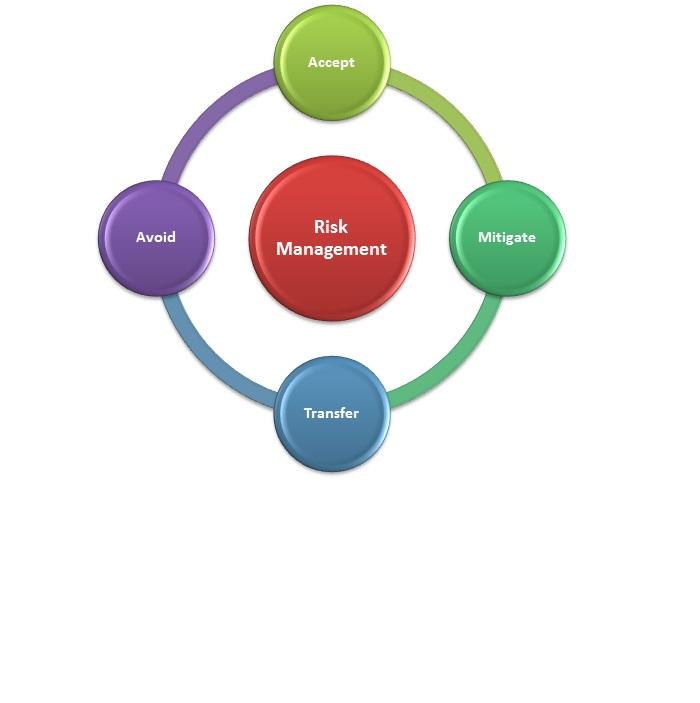
Mitigating Risks and Protecting Assets Through Trusts
When it comes to estate planning, many individuals are faced with the decision between trusts and inheritance. While both options have their benefits, trusts offer a unique way to mitigate risks and protect assets for future generations. One of the key advantages of using a trust is the ability to avoid probate, which can be a lengthy and costly process. By setting up a trust, assets can be transferred to beneficiaries seamlessly and privately, without the need for court involvement.
Additionally, trusts provide greater control over how assets are distributed and managed. With a trust, you can specify detailed instructions for how your assets should be dispersed, ensuring that your wishes are carried out exactly as you intended. This level of control can help protect your assets from potential creditors, lawsuits, or irresponsible beneficiaries. By establishing a trust, you can create a secure financial future for your loved ones and minimize the risks associated with traditional inheritance.

Striking a Balance: Incorporating Trusts in Estate Planning
When it comes to estate planning, many individuals find themselves weighing the pros and cons of trusts versus traditional inheritance methods. Trusts offer a unique way to pass down assets to your loved ones while providing additional layers of protection and control over how those assets are distributed. By setting up a trust, you can ensure that your heirs receive their inheritance in a way that aligns with your wishes and values. Trusts can also offer tax benefits and protection from creditors, making them a valuable tool for many individuals looking to pass down wealth to future generations.
On the other hand, traditional inheritance methods can also be appealing for some individuals. Inheritances are typically more straightforward and less expensive to set up than trusts, making them a popular choice for those with simpler estate planning needs. Additionally, inheritances can offer the opportunity for heirs to receive their assets more quickly and with fewer restrictions than through a trust. However, it’s essential to consider the long-term benefits and drawbacks of each option carefully, as the choice between trusts and inheritances ultimately depends on your unique financial situation and goals.
Wrapping Up
In conclusion, the age-old debate between trust and inheritance continues to spark discussions among families and estate planners alike. While both options have their merits and drawbacks, ultimately the decision of whether trust is better than inheritance depends on individual circumstances and priorities. Whether you choose to pass down your wealth through trust or inheritance, it is important to plan carefully and communicate openly with your loved ones to ensure a smooth transition of assets. Trust or inheritance, the choice is yours.